Industry magazines: are they still worth the investment?
1 October 2024
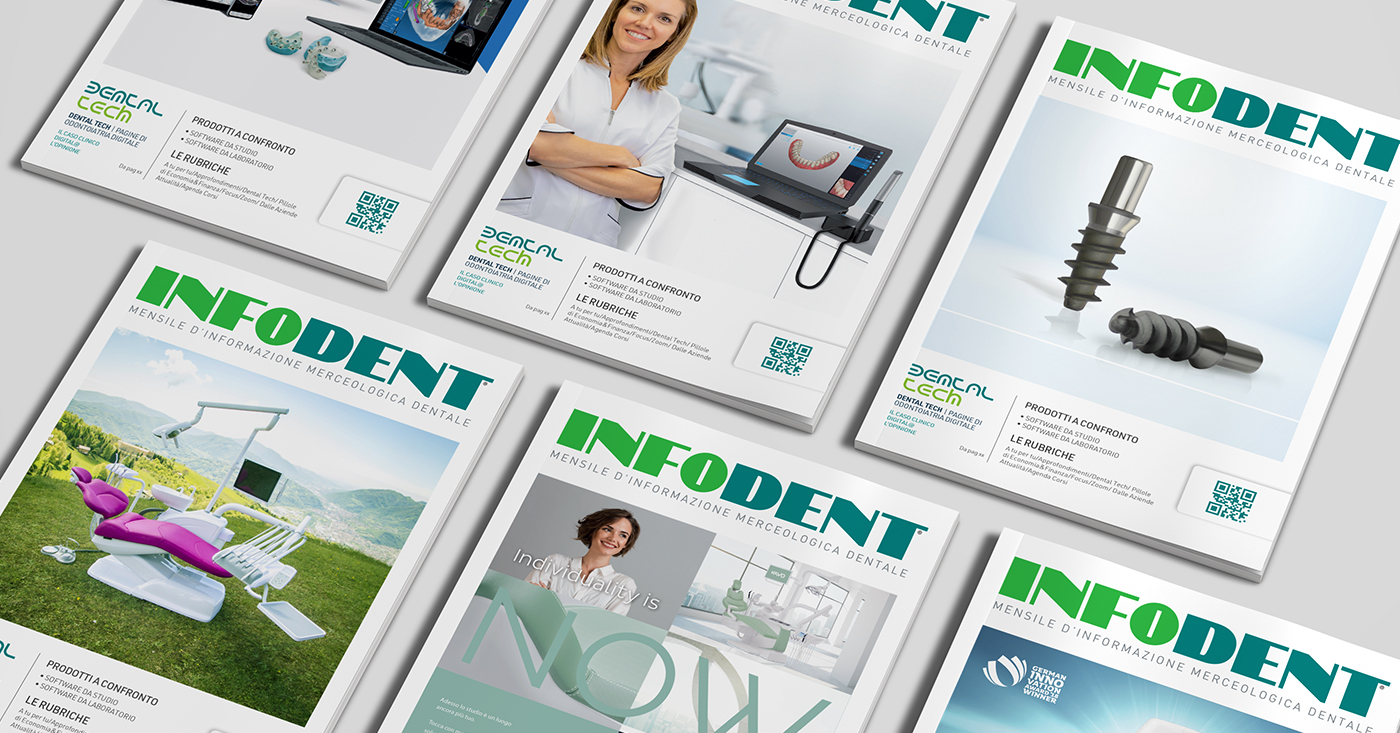
An analysis of the effectiveness and benefits of print advertising in specialized magazines in the digital age.
Despite the growing dominance of digital marketing strategies, advertising in print magazines continues to hold its own relevance. In recent years, the shift towards the digital world has driven advertisers to focus on tools like social media, search engines, and online banners. However, magazine advertising remains a strategic tool to reach specific audiences, delivering an impact that many digital channels struggle to replicate.
A targeted and strategic communication medium
One of the key advantages of advertising in magazines is the ability to focus on a specific market segment, selecting specialized publications in professional fields like healthcare or dentistry. This segmentation allows advertisers to target well-defined audiences, often hard to reach with general digital campaigns. For example, niche periodicals read by professionals in a specific industry offer a unique opportunity to convey highly specialized advertising messages. In the medical or dental sectors, industry magazines directly reach professionals, maximizing the effectiveness of the advertising message.
The emotional impact and visual quality
Print media stands out for its tactile and visual quality. Advertising in print creates a sensory impact often missing from digital content. Magazine readers tend to have a more attentive and relaxed reading experience compared to those quickly scrolling through content on mobile or desktop devices. This makes print advertising an ideal medium for campaigns that focus on branding. The success of advertising in magazines depends on the strategic goals of the campaign. It’s essential to establish whether the aim is to enhance brand awareness or promote a specific product or service. This distinction helps determine not only the content but also the advertising format to use.
ADV, editorial and advertorial: what’s the difference?
When choosing to invest in advertising in specialized magazines, creating a well-thought-out media plan is crucial. This can involve selecting between different options, such as visually engaging advertisements (ADV) or opting for textual content like advertorials or editorials. But what distinguishes these formats?
-
ADV: Traditional advertising focuses on a strong visual impact, relying on a catchy tagline and succinct body copy. Detailed information isn’t necessary as the primary goal is to grab the reader’s attention. Tools like QR codes linking to a landing page or social media icons are useful for providing additional information and encouraging interaction with the brand.
-
Editorial: This is an informative article, typically produced by the magazine’s editorial team. It is based on press releases or interviews and aims to inform rather than promote.
-
Advertorial: Similar in style to an editorial but paid for by the company, this format features content provided by the company itself. While maintaining a journalistic tone, it is explicitly promotional, aimed at raising awareness of the brand or its products and services. Depending on strategic goals and the type of media you wish to invest in, you can choose between various solutions: investing in ADV, opting for advertorials for a more narrative approach, or combining both options. Many magazines offer the possibility of supporting advertising pages with editorial articles, providing readers with additional information about the company.
Credibility and trust
The trust relationship between readers and industry magazines is another strong point. Magazines, especially those with a long publishing history, enjoy well-established credibility. Advertising in these mediums is perceived as more trustworthy thanks to the careful curation of content and the professional tone characteristic of certain Italian industry publications. Companies investing in ADV in industry magazines can benefit from enhanced positive association and credibility, particularly in sectors like healthcare, where brand prestige is crucial.
Return on investment (ROI)
Despite the rise of digital advertising, many companies continue to allocate part of their advertising budgets to print magazines, especially for campaigns aimed at a specific audience. The return on investment is often positive in sectors where the advertising message needs to reach a highly profiled target. Moreover, magazines offer a long shelf life: a single copy can be read multiple times, passed from person to person, and remain available to readers for months, increasing the duration of message exposure.
Complementarity with digital media
In an era dominated by digital media, successful marketing campaigns often integrate multiple channels. Print advertising is not in direct competition with online communication but can complement it effectively to strengthen brand presence. In many campaigns, print ADV is used in synergy with digital tools to offer broader and more diversified communication. QR codes, dedicated URLs, or digital calls-to-action in print ads can direct readers to online platforms, creating a bridge between the offline and online worlds. Today, the success of a marketing strategy increasingly depends on the ability to combine various tools to create effective and consistent multichannel campaigns. Magazines can play a significant role in this synergy.
As demonstrated in the omnichannel marketing campaign developed by Bplus for GlaxoSmithKline, the world’s 8th largest pharmaceutical company, online and offline media were effectively mixed, leveraging the full potential of print.